LINA
Why Protein Matters More Than Carbs When Dieting
Protein vs carbs in a calorie deficit: protein for weight loss keeps you full, protects muscle, and makes dieting protein intake the first fix.
Last updated: 2026-01-14
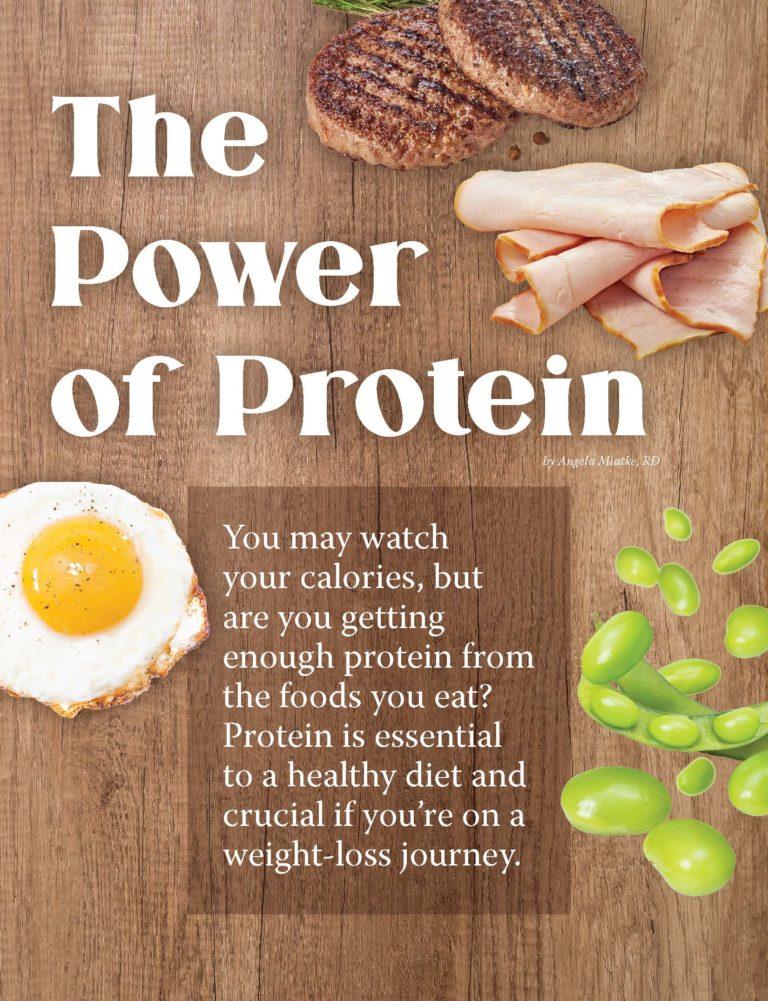
Protein fixes the three diet pain points
If dieting feels hard, the problem is usually hunger, plateaus, or muscle loss. Dieting protein intake fixes all three faster than cutting carbs.
Protein for weight loss keeps meals filling, keeps training strong, and helps you stay in a consistent deficit without demonizing carbs.
Protein's unique effects: satiety, thermic effect, muscle preservation
Satiety: protein slows digestion and signals fullness, so you eat less later in the day.
Thermic effect: about 20 to 30 percent of protein calories are used just to digest it, vs about 5 to 10 percent for carbs and 0 to 3 percent for fat.
Muscle preservation: in a deficit your body can burn fat and muscle; higher protein plus strength training protects lean mass.
Protein vs carbs vs fat in a calorie deficit
Protein (4 calories per gram) is the priority because it drives satiety and muscle retention.
Carbs (4 calories per gram) fuel training and recovery, so they are not the enemy. Keep them around workouts or higher volume days.
Fat (9 calories per gram) supports hormones and health, but it is energy dense, so keep a minimum and allocate the rest by preference.
Why low-protein diets fail even at the same calories
Two diets can match calories and still feel wildly different. Low protein leaves you hungrier and makes adherence drop.
Low protein also increases muscle loss, which lowers energy needs and makes plateaus more likely even when calories look identical on paper.
This is why protein vs carbs debates miss the point: calories drive weight loss, but protein determines how the deficit feels and looks.
Protein-first meals that make dieting easier
Protein-first meals start with a lean protein, then add carbs and fats to fit your target.
Breakfast: Greek yogurt with berries and nuts, or eggs with veggies and toast.
Lunch: chicken, turkey, or tofu bowl with rice and a big salad.
Dinner: salmon or lean beef with roasted vegetables and potatoes.
Snack: cottage cheese and fruit, or a protein shake with a piece of fruit.
Checklist
If dieting feels hard, check protein first.
1) Hit a daily protein target before adjusting carbs and fats.
2) Aim for 25 to 40 g of protein per meal (or about 0.3 to 0.4 g per kg).
3) Track protein for weight loss for two weeks and watch hunger and strength.
4) Keep carbs for training and keep fat above your minimum.
Related tracker pages
Put this into action with LINA
LINA keeps protein, carbs, and calories visible so your deficit feels easier to repeat. LINA app to keep calories, macros, and habits in one place.