LINA
Macros for Fat Loss vs Muscle Retention: What Actually Changes?
How macros for fat loss shift with training, why protein anchors muscle retention dieting, and where carbs and fats change.
Last updated: 2026-01-14
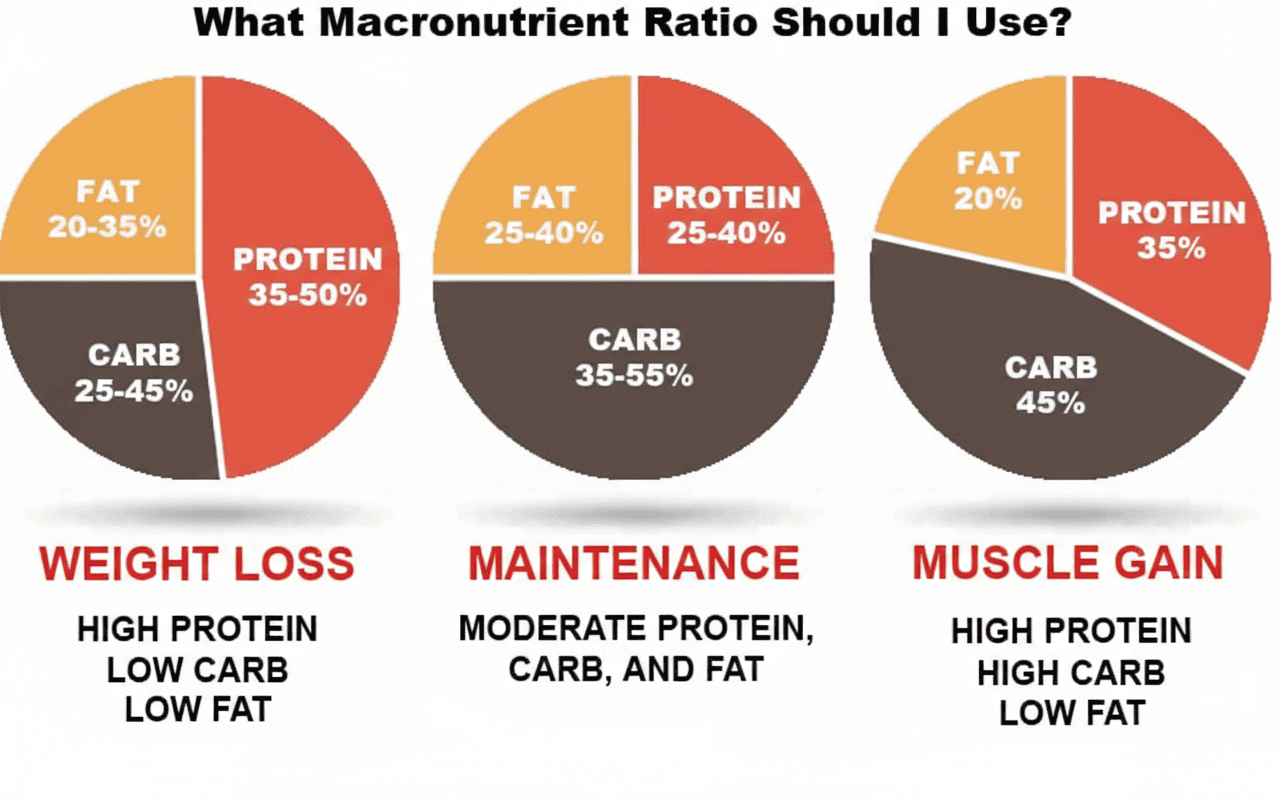
Calories drive weight loss, macros shape results
A calorie deficit is what causes fat loss. If calories are too high, no macro split will move the scale.
Macros for fat loss decide the quality of that loss. Higher protein and smart carb and fat choices help you keep more muscle and avoid the skinny fat look. In a small deficit with training, some people see body recomposition.
Muscle loss risk during dieting is real
When calories drop, the body can pull energy from both fat and lean tissue. The risk goes up when protein is low, training stops, or the deficit is aggressive.
Muscle retention dieting lowers that risk by protecting lean mass while the scale moves.
Protein is prioritized in both plans
Protein supports muscle retention, satiety, and a higher thermic effect. It is the anchor in both fat loss and muscle-preservation plans.
Most adults cutting do best with 1.6 to 2.2 g of protein per kg of body weight. Use the lower end if you are sedentary and the higher end if you resistance train.
How carbs and fats change by goal
Fat loss without training: keep fats at a steady minimum and let carbs fall lower since training performance is not a priority.
Fat loss with resistance training: keep carbs higher to fuel lifting and recovery, and lower fats slightly if calories are tight.
Example macro splits (70 kg adult)
Fat loss without training (about 1700 calories): 112 g protein, 60 g fat, about 175 g carbs.
Fat loss with resistance training (about 1900 calories): 140 g protein, 50 g fat, about 220 g carbs.
Common myths about cutting macros
There is no magic set of fat loss macros or muscle macros. The difference is mostly protein and how you allocate carbs and fats.
Dropping carbs to zero is not required. Consistent calories and enough protein do the heavy lifting.
Practical summary
Calories drive direction, but macros guide quality. Use protein as the anchor, then adjust carbs and fats based on training and preference.
LINA landing sections
Related tracker pages
Put this into action with LINA
LINA keeps protein, carbs, and fats visible next to calories so you can keep quality while you cut. LINA app to keep calories, macros, and habits in one place.