LINA
Which Calorie Tracking Method Should You Use?
Pick the tracking method that fits your life so you can stay consistent without over-optimizing.
Last updated: 2026-01-15
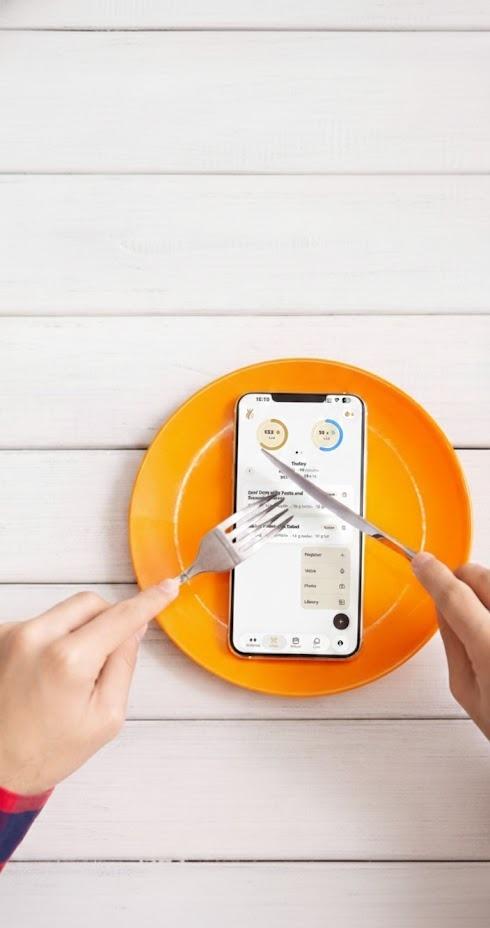
People quit because the method is wrong
Calorie tracking works, but people fail because they pick a method that does not match their life.
A method can be too slow, too strict, or too loose, so you stop using it and assume calories do not work.
The right method is the one you can repeat most days without resentment or mental drain.
Decision guide at a glance
- Calculator only: best for steady routines and people who want a target without logging; weak for anyone who needs daily feedback to stay on track.
- Manual tracking: best when precision matters and you can log most meals; weak if logging makes you anxious or you skip meals to avoid the work.
- Eyeballing portions: best as a minimum viable approach when time is tight; weak if your portions drift or your progress stalls.
- Meal scanning: best for speed and frequent meals out; weak if you need exact macros or scans are often wrong.
Calculator only: set the target and move on
This method uses a calorie calculator to set a daily target, then you eat to that target without logging.
It works when your meals are consistent and you are willing to use the scale or weekly averages as your feedback loop.
- Best for: people with stable routines, basic nutrition knowledge, and a desire to keep tracking minimal.
- Biggest downside: you can be off target for weeks without noticing, especially if portions creep up.
- Switch away if: your weight trend or energy shifts for 2 to 3 weeks, or you feel unsure about portion size.
When the target stops matching results, add a light log for a week to recalibrate and then decide if you want to keep tracking.
Manual tracking: precision when it matters
Manual logging means you weigh or measure foods, enter them, and keep a close eye on totals.
It is the most accurate way to learn how much you eat, which is why it helps when progress is slow or goals are strict.
- Best for: cutting phases, performance goals, or anyone who needs clear numbers to make daily decisions.
- Biggest downside: time cost and mental load, especially if your meals are complex or you eat out often.
- Switch away if: logging starts to feel obsessive, you skip meals to avoid logging, or you cannot sustain it for more than a few weeks.
Use manual tracking as a short diagnostic tool, then move to scanning or eyeballing once you learn your typical portions.
Eyeballing portions: the minimum viable method
Eyeballing portions keeps the habit alive when life is busy or motivation is low.
You use simple visual anchors, like a palm of protein or a fist of carbs, and rely on the scale trend for feedback.
- Best for: people who want simplicity, travel often, or are rebuilding consistency after a break.
- Biggest downside: it can hide small overeating that adds up, especially with calorie dense foods.
- Switch away if: your weekly average stops moving, your hunger is unpredictable, or you feel unsure about what is on your plate.
Eyeballing is not lazy, it is a strategy to keep momentum when a detailed log would break the habit.
Meal scanning: speed first, accuracy second
Meal scanning uses photos or quick inputs to estimate a meal, then you adjust if needed.
It trades some precision for speed, which makes it easier to log consistently in restaurants or busy days.
- Best for: people who need low friction, eat out often, or want data without a long entry process.
- Biggest downside: estimates can be off, and small errors can accumulate if you never review them.
- Switch away if: you need tighter control for a specific goal or scanning is consistently inaccurate for your meals.
Use scans as a baseline, then edit portions for the meals you repeat most often.
If this sounds like you, choose X
- If you want a number to aim at but hate logging, choose calculator only.
- If progress matters more than convenience for the next few weeks, choose manual tracking.
- If you are rebuilding the habit and need the simplest option, choose eyeballing portions.
- If you want speed with enough feedback to stay on course, choose meal scanning.
Consistency beats precision
The best tracking method is the one you can do on a normal Tuesday, not the one that looks perfect on paper.
If you can do a method 80 to 90 percent of the time, it will outperform a perfect method you abandon.
Pick a method, run it for two to four weeks, and switch if it causes friction that you cannot sustain.
You are not failing when you change methods. You are adapting the system so it keeps working.
Related tracker pages
Put this into action with LINA
LINA makes it easy to switch between scanning, manual entry, and simple tracking. LINA app to keep calories, macros, and habits in one place.